Why your chimney cap is letting water and animals in
A chimney cap letting water in Pleasant Grove UT is almost always a rusted mesh, a cracked mortar bed, or a cap that was never sized right. Here is how to tell which one you have.
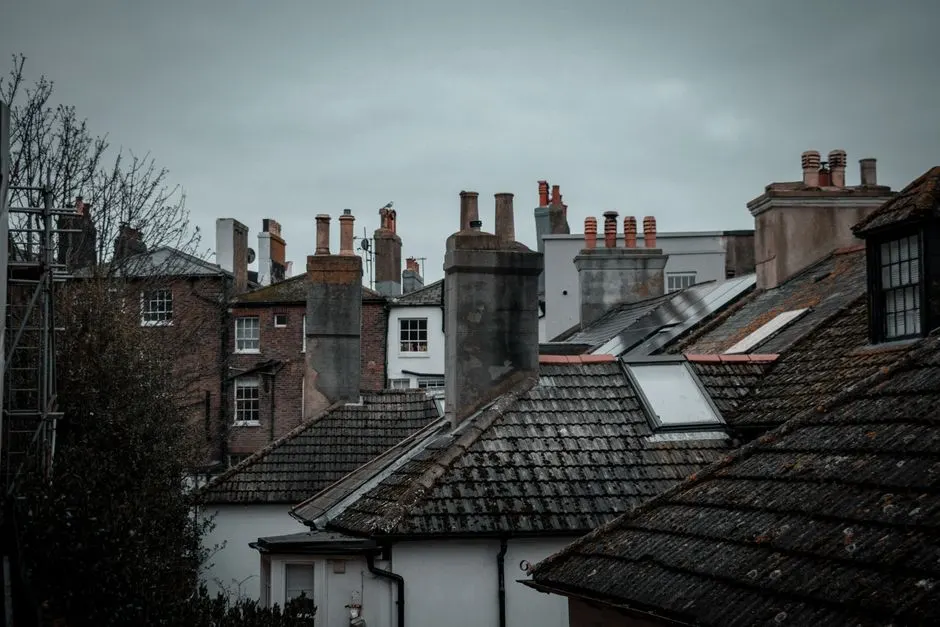
Your chimney cap is letting water and animals in because the mesh has rusted through, the mortar bed holding the cap has cracked, or the cap was never sized correctly for your flue in the first place. Those three failures account for nearly every chimney cap letting water in Pleasant Grove UT that we open up. A cap that looks intact from the driveway can still pass a steady stream of rain and a family of squirrels.
Below we walk through each failure point, how to spot it from the ground, what a chimney cap water leak Pleasant Grove actually costs to fix in 2026, and the mistakes that turn a $300 repair into a $4,000 rebuild.
Why is my chimney cap letting water in Pleasant Grove UT?
Water gets in when the cap's job - shedding rain away from the flue opening - has stopped working, and in Pleasant Grove that usually traces back to one of four things: rusted mesh, a cracked mortar bed, a cap that is too small for the flue, or a cap that was never anchored down against wind.
Utah County sits in a freeze-thaw cycle that runs from roughly late October through March. Water pools in a hairline crack in the mortar bed, freezes overnight, expands, and widens that crack by a fraction of an inch. Repeat that 60 to 80 times a winter and the cap lifts off its seat. We see this on Pleasant Grove homes built in the 1970s and 1980s along the bench above State Street just as often as on newer construction out toward the Manila area - the age of the cap matters more than the age of the house.
A chimney cap letting water in Pleasant Grove UT is a metal or masonry cover that sits on top of the flue and sheds rain, snow, and debris away from the chimney opening while letting smoke escape. When it fails, water runs straight down the flue, into the firebox, and eventually into the framing around the chimney.
The four failure points on a Pleasant Grove chimney cap
Every chimney cap problem in Pleasant Grove, Utah that we diagnose comes down to one of these four components. Knowing which one failed tells you what the repair will look like.
1. Rusted or torn mesh
Standard caps use galvanized steel mesh with a life expectancy of 8 to 12 years in a semi-arid climate with heavy winter moisture. Once the galvanized coating wears off, the mesh rusts from the inside out. A hole the size of a quarter is enough to let a squirrel through - they compress their bodies to fit gaps you would not believe.
2. Cracked mortar bed
The cap sits on a bed of mortar that crowns the top of the chimney. That mortar is the same mix used in the brickwork below, and it fails the same way - freeze-thaw cycles, UV, and age. When the mortar bed cracks, the cap tilts, and water runs underneath it instead of off it. This is the single most common cause of a chimney cap water leak Pleasant Grove we get called out for.
3. Undersized cap
A cap needs to overhang the flue by at least 2 inches on every side. We regularly find caps that were installed with a 1/2-inch overhang or less, which means wind-driven rain blows straight past the edge and down the flue. If your cap looks like a tight lid rather than an umbrella, it is undersized.
4. Missing or failed fasteners
Caps are held down by screws into the flue tile or by a clamp around the flue. Pleasant Grove gets 30 to 40 mph gusts during spring storms, and a cap held by two rusted screws will lift and shift. Once it shifts, the seal is gone and the cap may as well not be there.
How animals get past a cap that looks fine from the ground
Chimney cap animals getting in Pleasant Grove is almost always a mesh problem, not a cap problem - the frame is fine, the screen is not. From the ground, a rusted mesh looks identical to a new one. From 15 feet up on a ladder, the difference is obvious.
The animals we pull out of Pleasant Grove chimneys most often:
- Squirrels - chew through rusted mesh in a single season and nest in the smoke shelf.
- Birds - starlings and sparrows build nests on top of the damper, blocking the flue.
- Raccoons - strong enough to lift a loose cap entirely off its seat.
- Bats - squeeze through 3/8-inch gaps and roost in the flue liner.
A blocked flue is a carbon monoxide problem, not just a noise problem. If you hear scratching above the firebox in the evening, stop using the fireplace until someone inspects it.
If you are already hearing animals and want them out before you deal with the cap, our team handles chimney cap repair Pleasant Grove UT and can remove the nest, sanitize the flue, and install a correctly sized cap in one visit.
What a chimney cap water leak actually costs you
A chimney cap water leak repair Pleasant Grove UT runs $250 to $650 in 2026 for a standard single-flue cap, including removal of the old cap, inspection of the flue tile, and installation of a new stainless unit. Custom multi-flue caps for larger masonry chimneys run $600 to $1,400.
The repair is cheap. The damage it prevents is not:
- Flue liner replacement: $2,200 to $5,500. Water destroys clay tile liners from the inside.
- Chimney crown rebuild: $800 to $1,800. Once the crown spalls, the brickwork below follows.
- Framing and drywall repair: $1,500 to $6,000. Water that reaches the ceiling usually means rotted sheathing and stained drywall.
- Masonry rebuild: $4,000 to $12,000. This is what happens when a small leak is ignored for three or four winters.
We have torn out chimneys in Pleasant Grove that started as a $300 cap problem. The math is not close.
If the leak has already reached the crown or the brickwork, the fix is bigger than a cap. Our chimney crown repair Pleasant Grove UT service handles the crown and the cap together so the top of the chimney is sealed as one system.
Common mistakes homeowners make with chimney caps
The mistakes below are the ones we see most often on Pleasant Grove roofs, and every one of them turns a small repair into a bigger bill.
- Caulking the cap instead of replacing it. Silicone smeared over a rusted mesh buys you one season. It does not stop water, and it hides the real problem from the next inspector.
- Buying a universal cap from a big-box store. Universal caps rarely match the flue dimensions, and the mesh on most of them is 1/2-inch hardware cloth that squirrels chew through. A proper cap is sized to your flue and uses 5/8-inch or smaller stainless mesh.
- Ignoring the mortar bed. If the mortar under the cap is cracked, a new cap will not seal. You have to repair the bed first or the new cap fails the same way the old one did.
- Letting a handyman re-anchor a cap without inspecting the flue. By the time a cap fails, water has usually been getting in for at least one winter. The flue tile needs to be checked before the cap goes back on.
- Skipping the annual inspection. A 15-minute look at the cap each fall catches rust and loose fasteners before they become leaks. If you have not had one this year, our chimney inspection service Pleasant Grove UT covers the cap, crown, flashing, and flue in a single visit.
When to call a professional
Call a professional the moment you see water in the firebox, rust streaks on the chimney pipe, or hear scratching above the damper. Those three signs mean the cap has already failed and the damage clock is running.
You can handle a visual check from the ground with binoculars. Anything that requires a ladder, a flue inspection, or removing a cap is a job for someone with the right equipment and insurance. Chimney work happens on a roof, often in cold weather, and the fall risk is real.
Blackstone Ridge handles chimney cap repair, crown repair, flashing, and full chimney leak diagnosis across Pleasant Grove and the surrounding Utah County communities. We find the leak, fix it, and test the flue before we leave. If the cap is the only problem, that is all we will quote you for.
For homeowners who want a broader look at what we do, our chimney repair team covers everything from a single cap replacement to a full masonry rebuild.
Frequently Asked Questions
Why is my chimney cap letting water in Pleasant Grove UT?
The cap is letting water in because the mesh has rusted through, the mortar bed under the cap has cracked, or the cap is undersized for your flue. In Pleasant Grove, freeze-thaw cycles from October through March crack mortar beds faster than most homeowners expect. A cap with less than a 2-inch overhang will not shed wind-driven rain.
How do I keep animals out of my chimney in Pleasant Grove?
Install a stainless steel cap with 5/8-inch or smaller mesh and a properly anchored frame. Galvanized mesh rusts out in 8 to 12 years and squirrels chew through it. If animals are already inside, remove them and sanitize the flue before installing the new cap - otherwise the smell draws them back.
Does chimney cap repair stop water leaks in Pleasant Grove, Utah?
Yes, if the cap is the source. A correctly sized, properly anchored cap with an intact mortar bed stops rain and snow from entering the flue. If water is still getting in after a cap repair, the leak is usually at the flashing, the crown, or the brickwork, and those need to be inspected separately.
How long does a chimney cap last in Pleasant Grove?
A galvanized cap lasts 8 to 12 years here. A stainless steel cap with stainless mesh lasts 20 to 30 years. The mortar bed under the cap typically fails first, usually within 10 to 15 years, and takes the cap with it if it is not repaired.
Can I replace a chimney cap myself?
You can, but it involves working on a roof, often in cold or wet conditions, and the cap has to be sized to your exact flue dimensions. Most homeowners find the risk and the fit issues are not worth the $150 to $300 they save. A professional install also includes a flue inspection, which is where the real value is.
Get help with Chimney repair in Pleasant Grove
If your cap is letting water or animals in, we can be on your roof this week. Blackstone Ridge repairs and replaces chimney caps across Pleasant Grove and Utah County, and we will tell you straight whether you need a cap, a crown, or a full leak diagnosis.
Call (855) 927-7517 and we will get you scheduled.