Spalling brick flaking off the chimney face
We remove the spalled brick, replace it with matched brick, and repack the surrounding mortar joints. Then we waterproof the whole stack so the new brick doesn't start spalling next winter.
If your brick chimney is spalling, your mortar joints are crumbling, or you're seeing rust stains on the firebox, you need chimney masonry repair Pleasant Grove UT homeowners actually trust. Blackstone Ridge rebuilds crowns, tuckpoints mortar, and replaces damaged brick before water gets behind the wall. We've served Pleasant Grove and Utah County since 2023, and we treat every chimney like it's holding up our own roof.
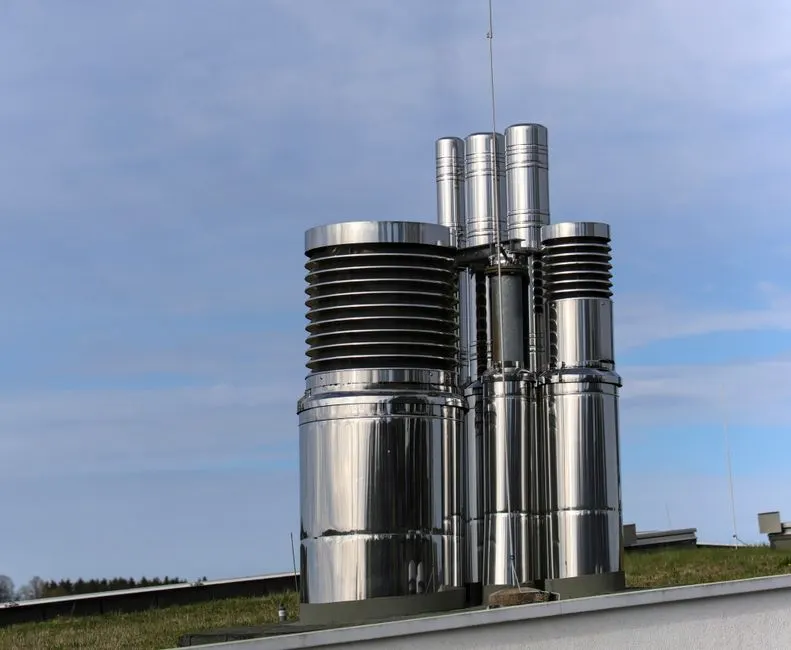
Chimney masonry repair Pleasant Grove UT is the structural restoration of the brick, mortar, crown, and flashing that make up your chimney's exterior. It's not cosmetic patching. We grind out failed mortar joints to a depth of roughly 3/4 inch, repack them with a Type N or Type S mortar matched to the original brick, and replace any brick that has spalled past the point of saving. When a crown has cracked, we rebuild it with a slight slope so water sheds instead of pooling. Every repair is done to IRC chimney code and NFPA 211 standards.
Pleasant Grove chimneys take a beating. Our freeze-thaw cycle swings from 20 degrees overnight to 45 by afternoon, and that expansion cracks mortar faster than almost anywhere in Utah. Add 30-plus years of creosote buildup in older Grove Creek and Downtown homes, and you get spalling brick, crown damage, and flashing failure. If you've been searching for chimney masonry repair Pleasant Grove UT near me, that search usually starts with a leak you can't find or a brick that's flaking off in your hand.
Every masonry job is different, but here's what we include as standard on chimney masonry repair calls in Pleasant Grove. If something on your chimney falls outside this list, we'll tell you upfront and quote it separately so there are no surprises on the invoice.
We inspect the entire chimney from the roofline down, checking brick, mortar joints, crown, flashing, and cap. You get photos of every problem area and a written scope before we start work.
We grind out failed mortar to a consistent 3/4-inch depth using a masonry trowel and jointing tool. This depth is what makes tuckpointing last; shallow patching fails within a year.
Spalled or cracked brick gets replaced with new brick matched to your existing color and hardness. We use firebrick where the chimney meets the firebox and standard brick on the exterior stack.
Cracked crowns get rebuilt with a fresh pour and a 1/4-inch-per-foot slope so water sheds properly. We seal the crown-to-brick joint, which is where most leaks start.
After mortar cures, we apply a breathable waterproofing sealant like ChimneySaver to the entire stack. This stops water absorption without trapping moisture inside the brick.
We run a smoke pen test to confirm the flue draws correctly and check the damper before we leave. You get a written summary of the work and a workmanship warranty.
We start with a full exterior and interior inspection using an inspection camera and moisture meter. You get photos of every problem area, a written scope, and a flat price before we touch a trowel. Most inspections take 45 to 60 minutes. If we find something that doesn't need repair, we tell you that too.
Once you approve the scope, we grind out failed mortar to a consistent 3/4-inch depth using a masonry trowel and jointing tool. We wire-brush the joints, dampen the brick, and mask off your roof and siding. Prep is 60 percent of a good tuckpoint job, and we don't rush it.
We repack joints with mortar matched to your existing brick color and hardness, then replace any spalled or cracked brick with new firebrick. Crown repairs get a fresh pour with a 1/4-inch-per-foot slope. Most jobs take one to three days depending on how much brick we're replacing.
After the mortar cures for 24 to 48 hours, we apply a breathable waterproofing sealant like ChimneySaver to the entire stack. This is the step most contractors skip. Without it, your new mortar starts absorbing water on day one and you're back to spalling brick within five winters.
We run a smoke pen test to confirm the flue draws correctly, check the damper, and walk the roof one last time. You get a written summary of what we did, photos of the finished work, and a workmanship warranty. If anything looks off in the first year, we come back.
Purpose-built equipment, used by trained technicians — so the job is done accurately the first time.
Used to repack mortar joints and tool them to a concave profile that sheds water. The joint profile matters as much as the mortar mix.
Lets us see inside the flue and behind the firebox without tearing anything apart. We use it on every inspection to check liner condition.
Confirms whether brick is holding water and helps us trace leaks back to their source, whether that's the crown, flashing, or the brick itself.
Tests flue draw after repairs to confirm the chimney is venting properly. If the smoke doesn't draw, there's a problem we need to fix before we leave.
Removes creosote and debris from the flue. We sweep before masonry work so we're not grinding mortar around a dirty flue.
A breathable sealant that stops water absorption without trapping moisture inside the brick. Applied after every masonry repair.
Keeps rain, animals, and sparks out of the flue. We install caps from brands like Copperfield and Olympia Chimney sized to your flue.
The chimney had lost its outer brick skin on about 40 percent of the stack, and mortar joints were eroded to the point where you could push a screwdriver into them. The crown was cracked in three places and water was running down into the attic.
We replaced 62 spalled brick, tuckpointed the entire stack to 3/4-inch depth, rebuilt the crown with a new slope, and waterproofed the brick with ChimneySaver. The chimney passed inspection and the leak stopped completely.
A 2005-built home had water stains on the ceiling below the chimney. The crown had a hairline crack that had widened over five winters, and the step flashing had pulled away from the brick, letting water run behind it.
We rebuilt the crown with a fresh pour and proper slope, replaced the step and counter flashing, and sealed the crown-to-brick joint. The ceiling stains stopped spreading and the attic stayed dry through the next storm season.
The homeowner had patched mortar themselves twice over three years, but the joints kept failing. Wind exposure on the east side of the house had dried out the original mortar, and DIY patches weren't deep enough to hold.
We ground out all failed joints to 3/4 inch, repacked them with mortar matched to the original brick, and applied a breathable waterproofing sealant. Two winters later, no new cracks and no spalling.
Most chimney calls start with one of these five problems. If you recognize yours, call us at (855) 927-7517 and we'll tell you what it takes to fix it.
Ask a pro →We remove the spalled brick, replace it with matched brick, and repack the surrounding mortar joints. Then we waterproof the whole stack so the new brick doesn't start spalling next winter.
We grind out the failed mortar to 3/4 inch, repack it with mortar matched to your brick, and tool the joints to shed water. Tuckpointing typically adds 20 to 30 years to a chimney's life.
We rebuild the crown with a fresh pour, slope it away from the flue, and seal the joint where the crown meets the brick. Most crown rebuilds take one day plus 24 hours of cure time.
We repair or replace step and counter flashing, then seal it into the masonry with a proper counter-flash detail. This is usually a one-day job and pairs well with crown or masonry repair.
Most chimney masonry repair Pleasant Grove UT jobs run $450 to $2,500 in 2026. Small tuckpointing jobs start around $450, crown rebuilds run $600 to $1,200, and partial chimney rebuilds with new brick land between $1,500 and $2,500. Full rebuilds above the roofline can hit $4,000 or more. The biggest cost drivers are how much brick needs replacing and whether we can access the chimney safely from the roof.
Chimney brickwork repair in Pleasant Grove is the process of restoring the brick and mortar on your chimney's exterior. That means grinding out cracked mortar joints, repacking them with fresh mortar, replacing spalled or broken brick, and sealing the finished stack against water. It's different from chimney cleaning, which handles the inside of the flue. Most Pleasant Grove homes need brickwork repair every 25 to 30 years, though our freeze-thaw cycle can shorten that to 15 or 20.
Yes. Tuckpointing is the core of most masonry repairs we do. We grind out failed mortar to about 3/4 inch, repack it with mortar matched to your brick, and tool the joints to shed water. If your chimney has widespread joint failure, tuckpointing is usually the first step before we address crown damage or flashing. We quote tuckpointing as a line item so you can see exactly what you're paying for.
A standard tuckpoint job takes one to two days. Crown rebuilds add another day for curing. If we're replacing more than 20 percent of the brick, plan on three to four days. We don't rush mortar cure times, because mortar that dries too fast cracks within a year. You'll get a day-by-day schedule with your estimate so you know when we'll be on site and when we'll be done.
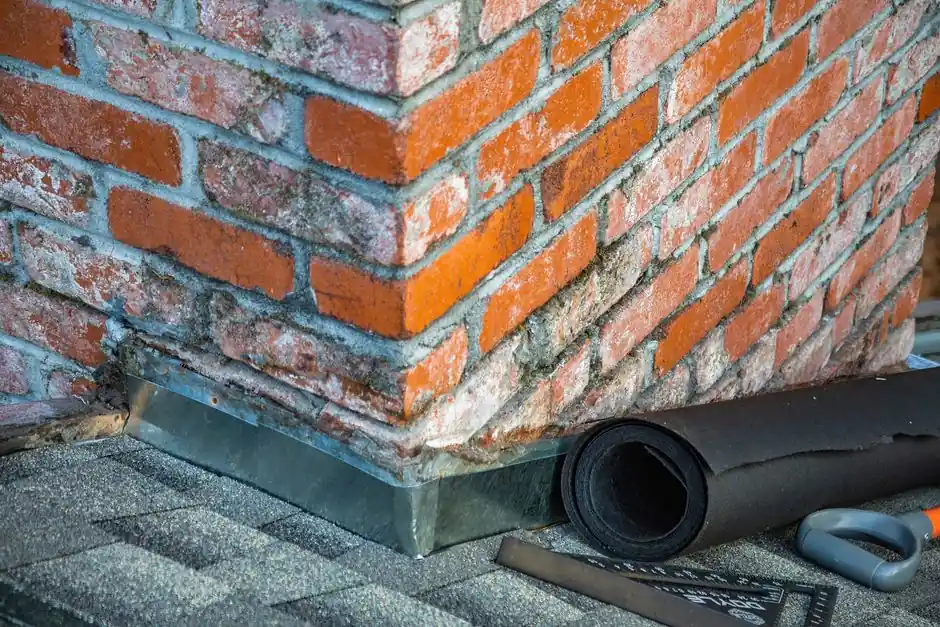 chimney repair near meIf you're searching for chimney repair near me in Pleasant Grove, we handle everything from minor mortar cracks to full stack rebuilds. Masonry work is usually the starting point, and we can bundle it with crown, flashing, or liner repairs in a single visit.Explore →
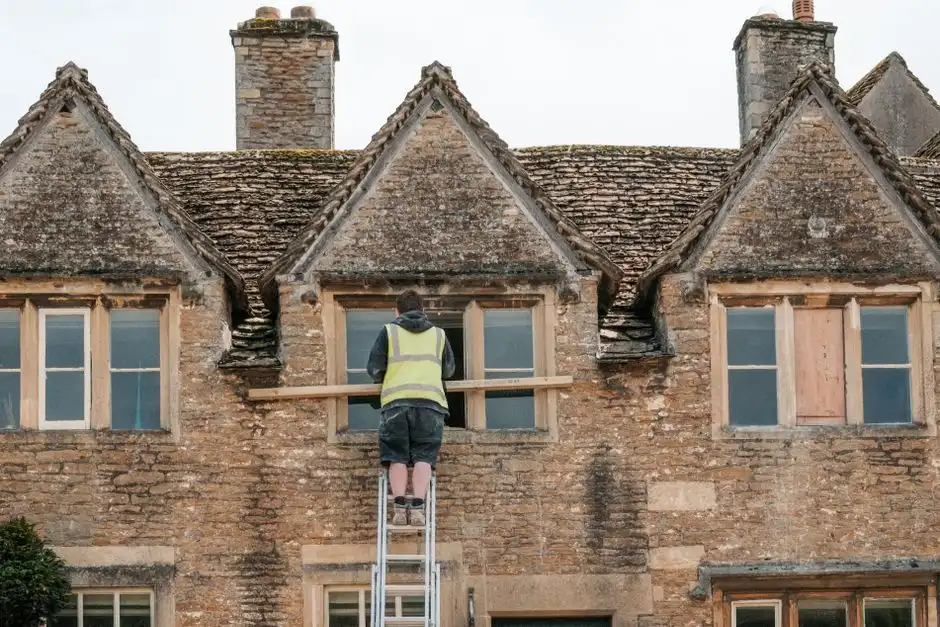 chimney crown repairCrown damage is the number one cause of chimney leaks in Pleasant Grove. We rebuild cracked crowns with a proper slope and seal them, which pairs naturally with masonry repair since both protect the same brick from water intrusion.Explore →
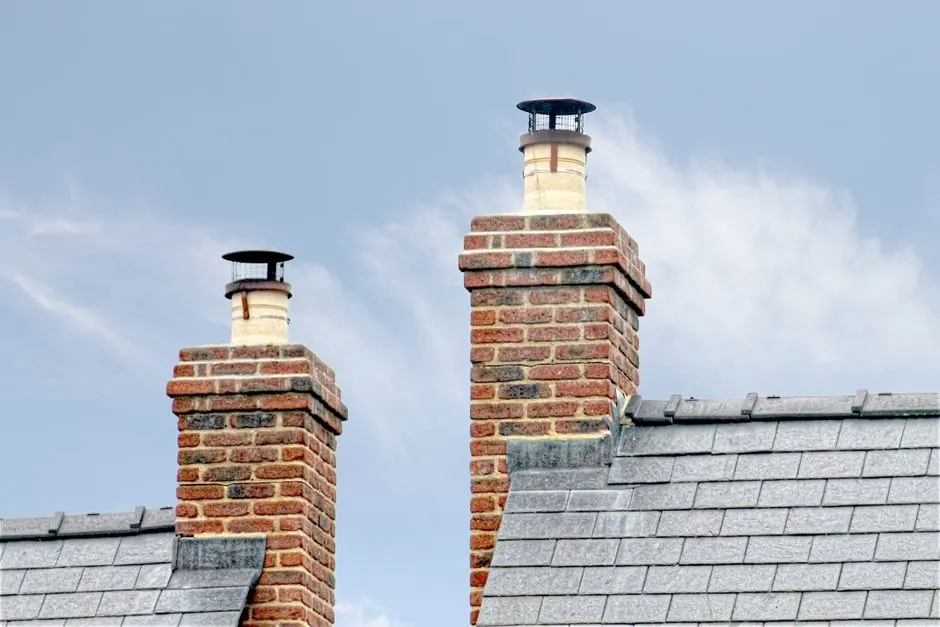 chimney reliningWhen masonry cracks let water reach the flue, stainless steel liners corrode. We install new liners from brands like HomeSaver and DuraVent, and we check liner condition on every masonry job so you're not paying twice.Explore →
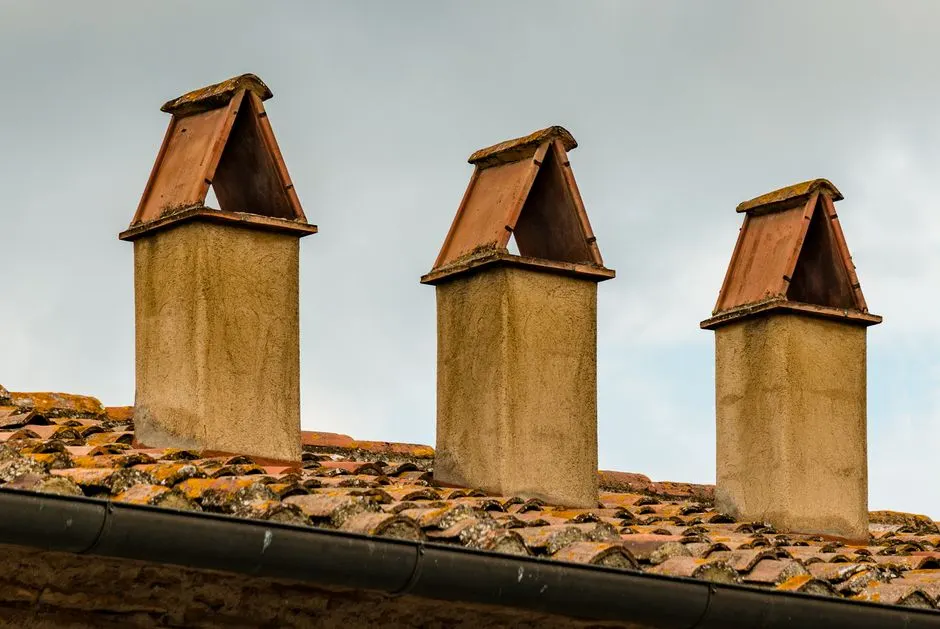 chimney cap repairA damaged chimney cap lets rain straight into the flue. We repair or replace caps with stainless and copper models, which is a small add-on to masonry work that prevents thousands in water damage down the road.Explore →
 chimney maintenanceAnnual maintenance catches mortar cracks before they turn into spalling brick. We recommend a yearly inspection for Pleasant Grove homes, especially after winter, since freeze-thaw damage shows up fast between December and March.Explore →
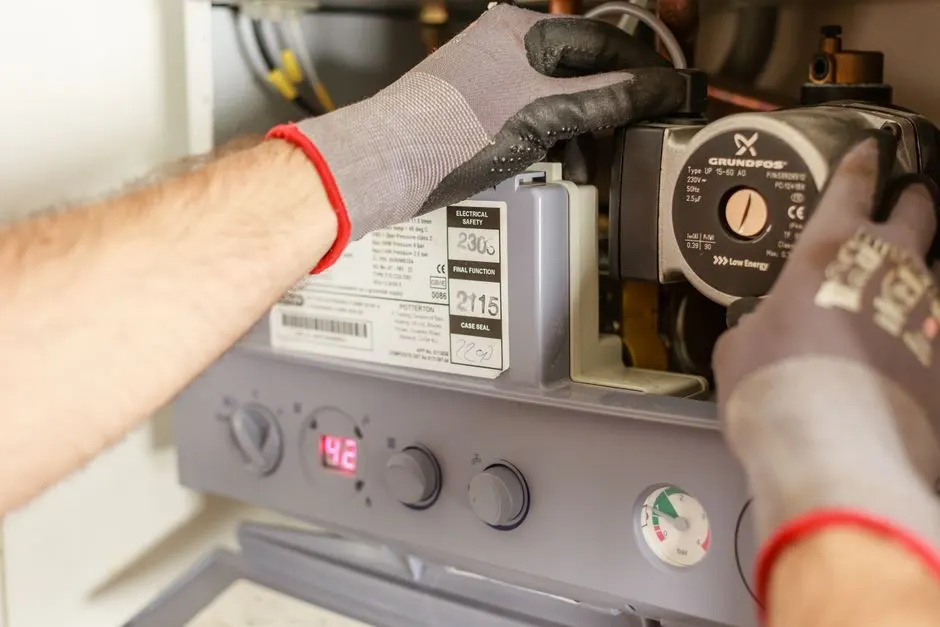 fireplace repairFirebox cracks and damper malfunctions often go hand in hand with exterior masonry damage. We repair firebrick, refractory cement, and dampers so the whole system works together, not just the outside of the chimney.Explore →
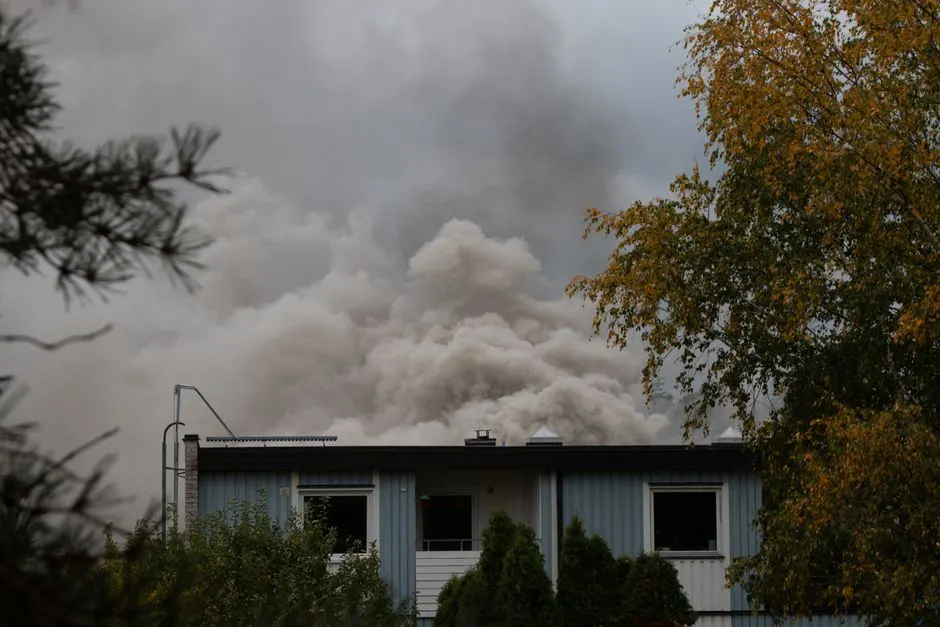 emergency chimney repairStorm damage, fallen brick, or sudden leaks get 24/7 emergency response. We tarp and stabilize the chimney the same day, then schedule permanent masonry repair once the weather clears.Explore →
 24/7 chimney repairChimney problems don't wait for business hours. Our 24/7 line covers Pleasant Grove and Utah County, and most emergency calls get a technician on site within 2 to 4 hours.Explore →
Licensed, insured, and warrantied. We give you a flat price before we start and photos of the finished work when we're done. Call Blackstone Ridge at (855) 927-7517 and we'll get your chimney back in shape.
Get Free Estimate (855) 927-7517 →Call (855) 927-7517 any time, day or night, and a real person answers. For non-emergency work, we return messages within a few hours during business hours and can usually schedule an estimate the same week. Tell us what you are seeing and we will tell you what it likely means.