Smoke rolling back into the living room
We measure the flue against the appliance and install a correctly sized insulated liner. The smaller, warmer flue establishes a stronger pull. A smoke pen test confirms the fix before we leave.
When your flue is cracked, pitted, or coated in creosote, chimney relining Pleasant Grove UT is the fix that keeps the fireplace usable and the house safe. We install stainless steel liners sized to your appliance, seal the top and bottom, and verify draft before we pack up. If you have been searching for chimney liner installation in Pleasant Grove, we handle clay tile, masonry, and metal flues across 84062.
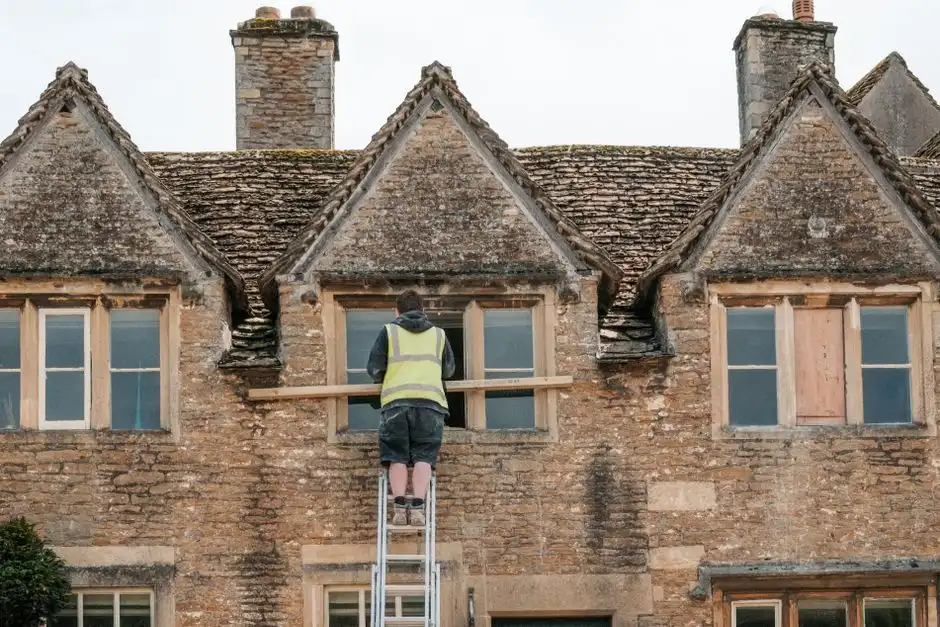
Chimney relining Pleasant Grove UT is the process of installing a new stainless steel or cast-in-place liner inside an existing flue so combustion gases travel safely from the firebox to the cap. We start with an inspection camera to map cracks, gaps in the clay tile joints, and any spalling brick around the flue. Then we size the liner to the appliance, insulate it, and pull it down the chimney. The top plate, chimney cap, and damper get checked before the first fire.
Most Pleasant Grove homes built before 1990 have original clay tile flues that were never meant for modern gas or wood inserts. Those tiles crack from freeze-thaw cycles, and gaps let carbon monoxide slip into living space. If you have noticed a smoky smell upstairs or a weak fire that will not draw, a chimney liner replacement Pleasant Grove job usually solves it. We also see liner deterioration after chimney leak repair work where water sat in the flue for a season.
Every reline we quote covers the liner, insulation, top plate, and appliance connector. Crown, cap, flashing, and masonry work are priced separately so you can see exactly what each piece costs. Here is what shows up on a standard Pleasant Grove reline.
Full flue scan with photos of every joint and crack. You get a copy of the images and a written summary of what we found. This is what drives the sizing decision on the liner.
A stainless steel liner wrapped in insulation, sized to your appliance and flue height. Insulation keeps flue gases hot for better draft and protects the surrounding masonry from heat stress.
A stainless top plate seals the chimney top around the liner, and a new cap keeps rain and animals out. Both are sized to the liner termination so the fit is tight and weatherproof.
The connection between your fireplace, insert, or furnace and the new liner. We seal it properly so no combustion gases escape into the chimney chase or the room.
A smoke pen test after install confirms the flue pulls correctly. If draft is weak, we diagnose why before we leave. No guessing, no callbacks for the same problem.
We run an inspection camera down the flue and photograph every joint, crack, and offset. You see the same images we do. This is where we confirm whether you need a full reline, a chimney liner repair, or just a cleaning. Takes 30 to 45 minutes on a typical Pleasant Grove masonry chimney.
We match liner diameter to your appliance and flue height, then quote the job before we start. Insulation, top plate, cap, and any crown work get priced separately so you know what each piece costs. No surprise line items after the liner is already down the chimney.
We brush the flue with a rotary chimney sweep and flue brush to strip creosote and loose tile fragments. Any protruding mortar gets ground back with a masonry trowel so the liner slides without tearing. On offset flues we set a transition and pull from the top.
The stainless steel liner goes down with insulation wrapped around it, then we set the top plate, chimney cap, and appliance connector. We seal the crown with crown sealant and check the damper for full travel. Most installs take three to five hours once preparation is done.
We light a test fire and use a smoke pen to confirm the flue pulls correctly. A moisture meter checks for any damp masonry near the flashing. Then we walk you through what we installed, what to watch for, and when to schedule your next chimney cleaning service.
Purpose-built equipment, used by trained technicians — so the job is done accurately the first time.
Scans the full length of the flue and photographs every joint, crack, and offset. You see the same images we do before any work is quoted.
Strips creosote and loose tile fragments from the flue walls so the new liner slides cleanly and does not tear on the way down.
Grinds back protruding mortar and repoints problem areas with refractory cement before the liner is installed. Prevents callbacks from liner damage.
Confirms draft after install. If the smoke does not pull cleanly up the flue, we diagnose the cause before we leave the property.
Checks masonry near the flashing and crown for hidden water. Catches leaks that would otherwise rust a new liner from the outside.
Seal crowns, top plates, and flashing against water intrusion. Breathable formulas let masonry dry without trapping moisture inside.
Stainless liner components we stock and install. Sizing options cover most residential flues without a special order delay.
A Downtown Pleasant Grove home had original clay tile with open joints and visible cracks running two-thirds of the flue. Smoke rolled into the living room on cold starts, and the fireplace had not been used in two seasons. Inspection camera showed tile fragments sitting loose at the base.
We swept the flue, ground back protruding mortar, and installed an insulated 8-inch stainless liner sized to the fireplace. Smoke pen test showed a clean pull on the first fire. The homeowner used the fireplace through the following winter with no smoke smell.
A Mount Mahogany home had a chimney leak dripping for two winters. The existing metal liner had rusted through in two sections, and the flashing was loose. Moisture meter readings showed damp masonry around the chimney chase.
We repaired the flashing and crown, then replaced the rusted liner with a new stainless system. Moisture readings returned to normal over the following month. The ceiling stains stopped spreading and the fireplace was usable again.
A Battle Creek homeowner had a wood insert installed into an oversized masonry flue. Draft was weak, smoke backed up on cold mornings, and creosote built up within one season of burning. The original installer had not relined the flue.
We sized a 6-inch insulated liner to the insert, installed it with a proper appliance connector, and trimmed the damper to clear. Draft improved immediately. The homeowner reported using roughly 20 percent less wood the following season.
Most reline calls start with one of these four symptoms. Each one points to a flue that is no longer doing its job. Here is what we see and how we fix it.
Ask a pro →We measure the flue against the appliance and install a correctly sized insulated liner. The smaller, warmer flue establishes a stronger pull. A smoke pen test confirms the fix before we leave.
A smooth stainless liner slows creosote accumulation and makes sweeping easier. We clean the flue first, install the liner, and set you up on an annual chimney cleaning service schedule.
We trace the leak, repair the flashing or crown, and check the liner for rust damage. If the liner is compromised, we reline it in the same project so the leak does not come back through a new problem.
We inspect, document the flue condition, and reline to NFPA 211 and IRC chimney code. You get paperwork showing the liner spec and install date, which satisfies most inspectors and lenders.
Most residential relines in Pleasant Grove run $1,800 to $4,500 in 2026, depending on flue height, liner diameter, and whether insulation and a new cap are included. A straight 20-foot masonry flue with a standard 6-inch stainless liner sits near the low end. Tall chimneys, offset flues, and cast-in-place systems push toward the top. We quote the full job before we start.
It is the installation of a new stainless steel or cast-in-place liner inside your existing flue. The liner carries smoke and combustion gases from the firebox to the top of the chimney, replacing a cracked or unlined clay tile flue. We size it to your appliance, insulate it, and seal it at the top plate and appliance connector so nothing leaks into the house.
Yes, in most cases. Weak draft usually comes from an oversized flue, a cracked liner letting air in, or a flue that is too cold to establish a pull. A correctly sized, insulated liner fixes all three. We confirm the result with a smoke pen test after install. If the appliance itself is undersized for the flue, we will tell you that too.
A standard residential reline takes one day, usually three to five hours of on-site work after the inspection. Offset flues, tall chimneys, and cast-in-place liners can stretch to a second day. We schedule a morning start so you have heat by evening, and we clean up the work area before we leave.
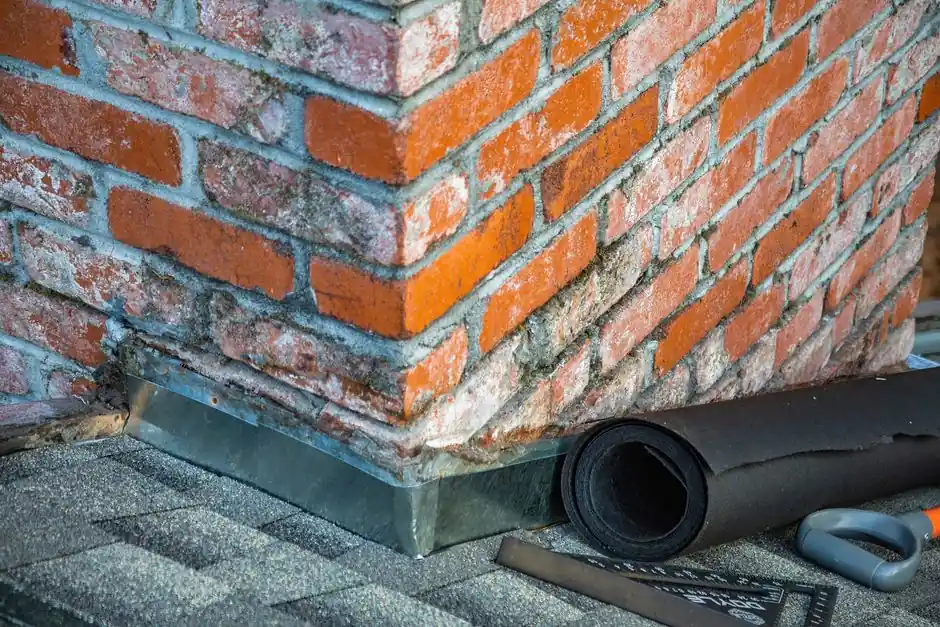 chimney repair near meIf your flue is cracked but the surrounding masonry is sound, a targeted repair may be enough. We inspect first and tell you whether you need a full reline or a smaller fix. Most Pleasant Grove calls start here.Explore →
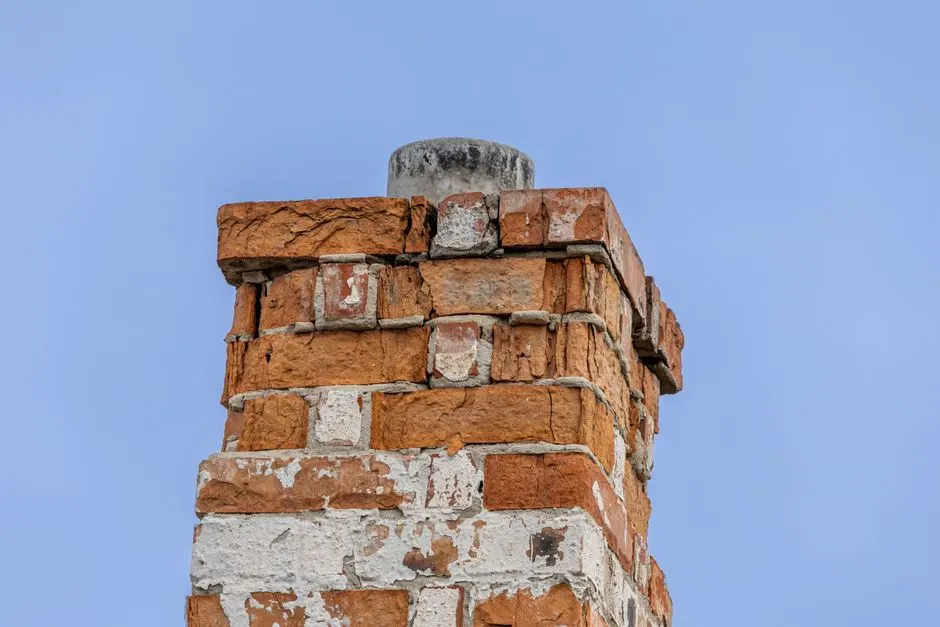 chimney masonry repairSpalling brick and crumbling mortar around the flue need fixing before a liner goes in. We rebuild the affected courses with firebrick and refractory cement so the new liner has solid structure to sit inside.Explore →chimney crown repairA cracked crown lets water run down the flue and rust a new liner from the outside. We repair or recast the crown with crown sealant before relining so the investment lasts. Common on Pleasant Grove homes built in the 1970s and 1980s.Explore →
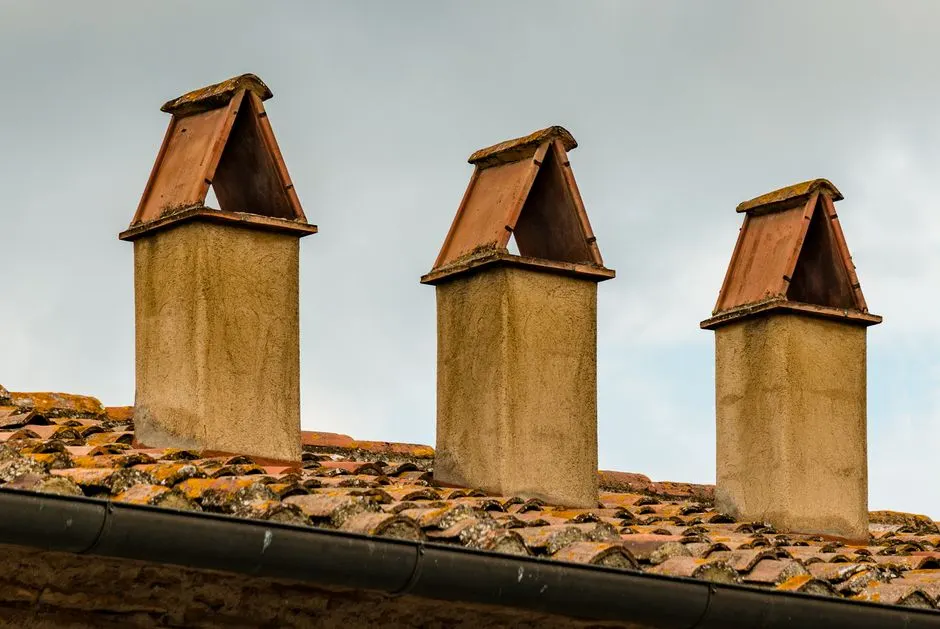 chimney cap repairA missing or bent cap lets rain, birds, and squirrels into the flue. We repair or replace caps as part of most reline jobs so the new liner is protected from day one. Stainless caps outlast the painted steel ones by a wide margin.Explore →
 chimney maintenanceAnnual maintenance keeps a new liner working. We sweep, inspect the liner and cap, and check the damper each fall. Customers on a maintenance plan catch small issues before they turn into a January emergency.Explore →
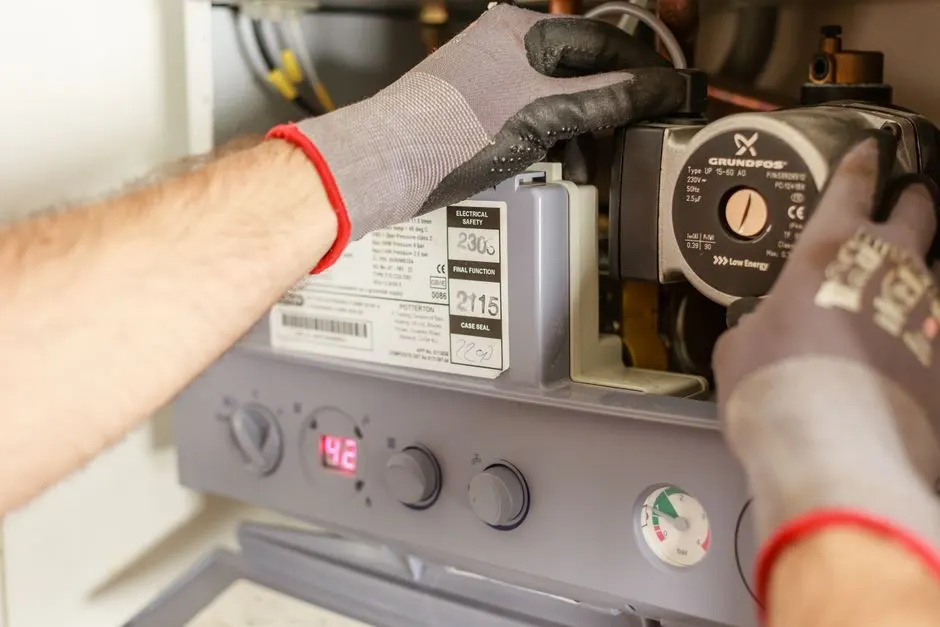 fireplace repairDamper malfunction, cracked firebrick, and worn grate hardware all affect how the fireplace burns after a reline. We handle those repairs in the same visit so the whole system works together.Explore →
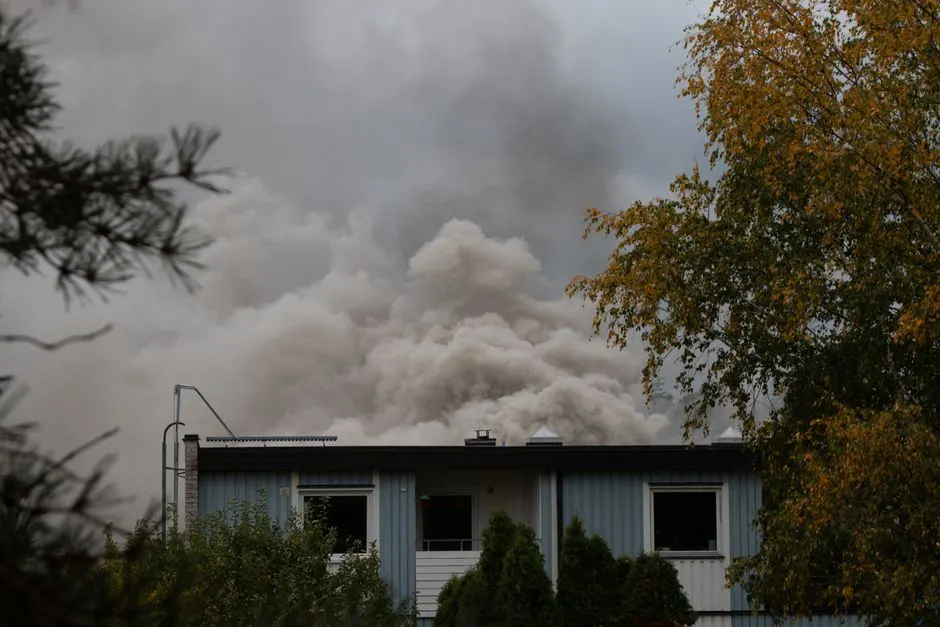 emergency chimney repairWhen a flue fails mid-winter, you need heat. We run emergency dispatch across Pleasant Grove for collapsed liners, chimney fires, and storm damage. Call and we will tell you what can be done today.Explore →
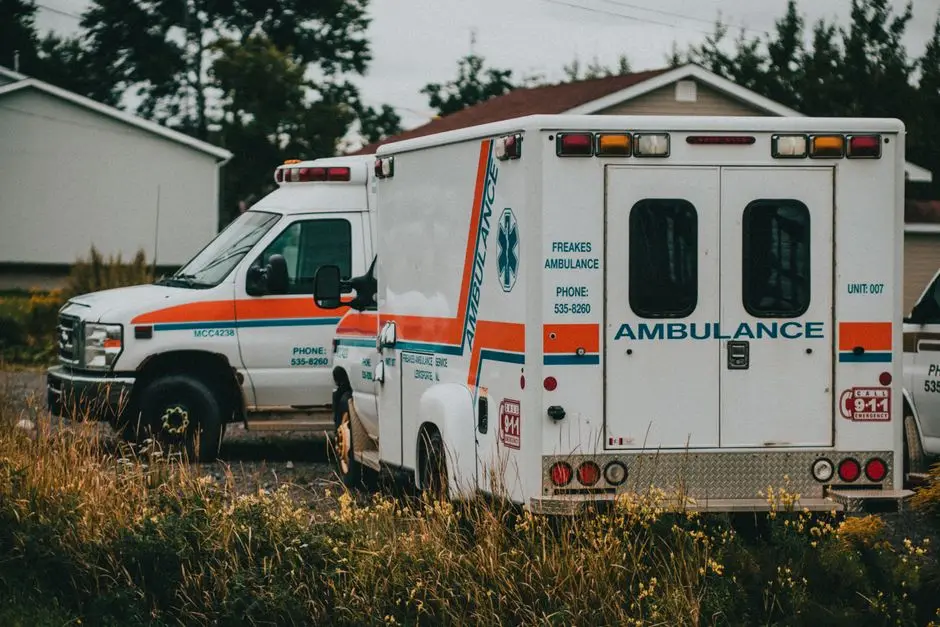 24/7 chimney repairChimney problems do not wait for business hours. Our 24/7 line reaches a real technician who can talk you through shutting down the appliance safely until we arrive. We cover all of Pleasant Grove and the surrounding Utah County area.Explore →
Call (855) 927-7517 and we will schedule a camera inspection, show you the flue on screen, and quote the reline before we leave. CSIA-certified, licensed, and insured. Most Pleasant Grove jobs get a same-week slot.
Book Inspection (855) 927-7517 →Call (855) 927-7517 any time, day or night, and a real person answers. For non-emergency work, we return messages within a few hours during business hours and can usually schedule an estimate the same week. Tell us what you are seeing and we will tell you what it likely means.