Ceiling stain that grows after every storm
We trace the entry point with a moisture meter and inspection camera, then rebuild the flashing system at the chimney. Hose test confirms the fix before we leave the roof.
When water runs down your chimney and stains the ceiling, chimney flashing repair Pleasant Grove UT is the fix that actually holds. We pull the old rusted metal, rebuild the step and counterflashing, and seal it to IRC and NFPA 211 standards. Blackstone Ridge has served Utah County since 2023, and we handle everything from a single cracked bead of sealant to a full flashing rebuild on brick and metal chimneys.
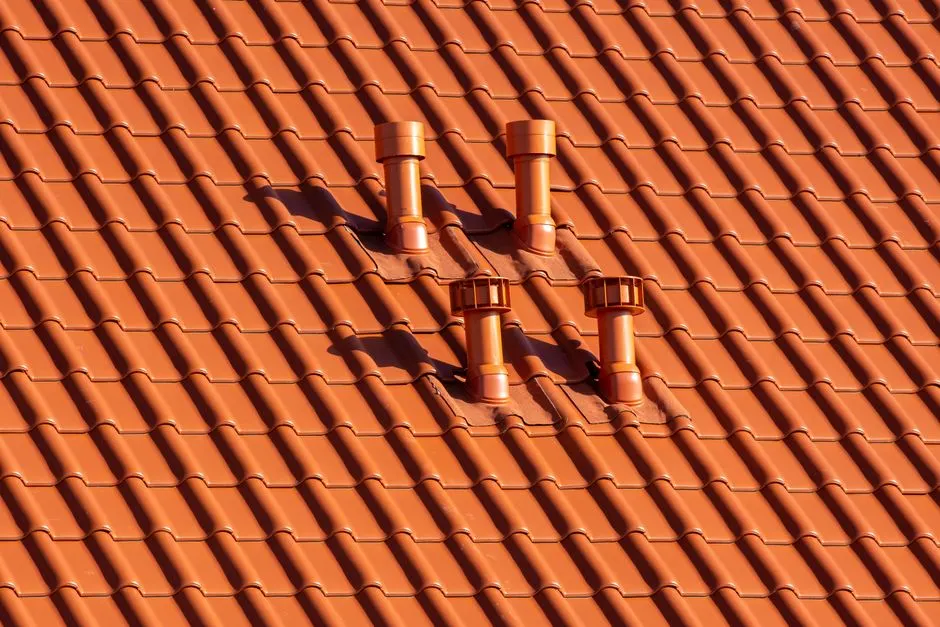
Flashing is the layered metal system that bridges the gap where your chimney passes through the roof plane. It includes step flashing woven into the shingles, counterflashing cut into the masonry, and a base apron at the low side. Chimney flashing repair Pleasant Grove UT means removing the failed layers, cleaning the chase, and rebuilding that system so water sheds away from the chimney instead of soaking into the attic. We use copper or 26-gauge galvanized steel, set it in urethane sealant, and terminate it into a reglet cut with a masonry trowel.
Most Pleasant Grove flashing failures start the same way: a 20-year-old bead of caulk dries out, a nail pops, and the next storm finds the gap. Homes near Grove Creek and Battle Creek take wind-driven rain off the mountains, and older brick chimneys on State Street Corridor have already been through decades of freeze-thaw. If you have been searching for chimney flashing repair Pleasant Grove UT near me after a ceiling stain, we can usually trace the entry point in under an hour with a moisture meter and an inspection camera.
Every flashing repair starts with a full inspection and ends with a water test. Here is what is covered in the standard scope, and what we quote separately if we find it.
We inspect the flashing, crown, cap, and liner, and check the attic for moisture with a meter. You get a written report with photos before any work begins.
Old caulk, rusted metal, and failed patches come off. We do not layer new flashing over old. The chase gets cleaned down to sound masonry or sheathing before install.
Copper or 26-gauge galvanized steel, woven into the shingles and set into a reglet cut into the brick. Sealed with ChimneySaver or Rutland urethane at every lap and termination.
We cut a 1-inch reglet into the masonry with a jointing tool and tuck the counterflashing into it. That is what keeps wind-driven rain from getting behind the metal.
A 15-minute water test on the roof with a spotter in the attic. If it stays dry, we photograph the finished work and email the report the same day.
Magnet sweep of the lawn and driveway, debris hauled off, and a final walk-around with you before we leave. No nails in the tires.
You describe the leak, we ask three questions: where is the stain, when does it appear, and how old is the roof. That tells us whether this is flashing, crown, or liner. We schedule a same-day or next-day visit, and we give you a 2-hour arrival window instead of a full day.
We go up top and inside. On the roof we check step flashing, counterflashing, and the apron. In the attic we look for staining on the sheathing and use a moisture meter on the chimney chase. An inspection camera confirms whether the leak is at the flashing or higher up at the crown.
You get the repair scope in plain language: what we remove, what we install, and the price. Typical 2026 flashing repairs in this area run $325 to $1,450 depending on chimney size and roof pitch. No change orders unless we open the wall and find rot.
We cut the reglet with a jointing tool, set new copper or galvanized flashing, and seal it with ChimneySaver or Rutland urethane. Counterflashing gets tucked and caulked. A 3 to 5 hour job on a standard brick chimney, longer if we are rebuilding the crown at the same time.
We run a hose on the roof for 15 minutes and watch the attic from below. If it stays dry, we photograph the finished work, magnet-sweep the yard for nails, and email you the report. You get a 5-year workmanship warranty on the flashing itself.
Purpose-built equipment, used by trained technicians — so the job is done accurately the first time.
Cutting a clean reglet into brick and repacking mortar joints around the new counterflashing so the metal sits in solid masonry, not on the surface.
Reading moisture content in the chimney chase and attic sheathing. We compare readings before and after the repair to prove the leak is stopped.
Scoping the flue and the chase cavity to see liner condition and confirm whether water is entering at the flashing or higher up at the crown.
Tracing air and water paths in the chase. Useful when the leak only shows up under specific wind directions.
Cleaning the flue on combined sweep and flashing visits. Creosote and water intrusion often show up together.
Replacing caps and dampers from Copperfield and Midwest Hearth when the flashing repair reveals related damage at the top of the chase.
Urethane and waterproofing sealants rated for the temperature swings Pleasant Grove sees. Cheap caulk fails in two winters here.
A 1948 brick chimney with three layers of old caulk at the flashing line. Water was running behind the counterflashing and staining the ceiling 6 feet away. Moisture meter read 28% in the chase.
We removed the caulk, cut a fresh reglet, installed new copper counterflashing, and repointed the surrounding mortar. Hose test ran 15 minutes with no water in the attic. Moisture reading dropped to 11% within a week.
A February windstorm tore the step flashing loose on a north-facing chimney. Water was dripping into the attic and running down the chase. The homeowner called at 7 a.m. on a Saturday.
We tarped and sealed the chimney by 11 a.m. the same day. The permanent repair went in three days later: new step flashing, new apron, and a resealed storm collar. No water intrusion since.
A 2008 factory-built metal chimney with an improvised flashing job from a previous contractor. The wrong kit was used, and the storm collar was siliconed instead of properly seated. Leak showed up every spring.
We removed the wrong parts and installed the correct Selkirk flashing kit for that chimney model. Storm collar seated properly, cap inspected, and the leak stopped. Total job time was 4 hours.
Most of the calls we get fall into a handful of patterns. Here is what we see and how we fix it.
Ask a pro →We trace the entry point with a moisture meter and inspection camera, then rebuild the flashing system at the chimney. Hose test confirms the fix before we leave the roof.
We cut a fresh reglet, install new copper or galvanized counterflashing, and seal it with urethane. If the brick is spalled, we rebuild those courses with firebrick and refractory cement first.
We remove the patches, install proper metal flashing, and use sealants rated for the temperature swings. The repair is warrantied for 5 years on workmanship.
We rebuild the apron with new metal, weave it into the shingles, and seal the lap. If decking is soft, we replace that section before closing it up.
Most repairs run $325 to $1,450 in 2026, with the average job around $650. Simple reseals on a small metal chimney sit at the low end. Full flashing rebuilds on a tall brick chase with a steep roof pitch land at the high end. Emergency after-hours calls add a trip charge. We quote the price before we start, so the number you approve is the number you pay.
A standard chimney flashing fix Pleasant Grove job includes removal of the failed flashing and old sealant, a reglet cut into the masonry, new step and counterflashing, a new base apron, urethane sealant at every lap, and a hose test to confirm the leak is gone. If the crown or mortar joints are also failing, we quote that separately so you can decide what to do now and what can wait.
Yes, when the flashing is the source. Roughly 7 out of 10 chimney leaks we inspect in Pleasant Grove trace back to flashing, not the roof itself. The other 3 come from crown cracks, spalling brick, or a deteriorated liner. Our inspection separates those causes before we quote, so you are not paying for a flashing repair that will not fix a crown leak.
A standard repair takes 3 to 5 hours on site. That covers setup, removal, new flashing, sealing, and the water test. Larger chimneys, steep pitches, or combined crown work push it to a full day. We schedule most jobs as a single visit and do not leave the roof open overnight unless weather forces it.
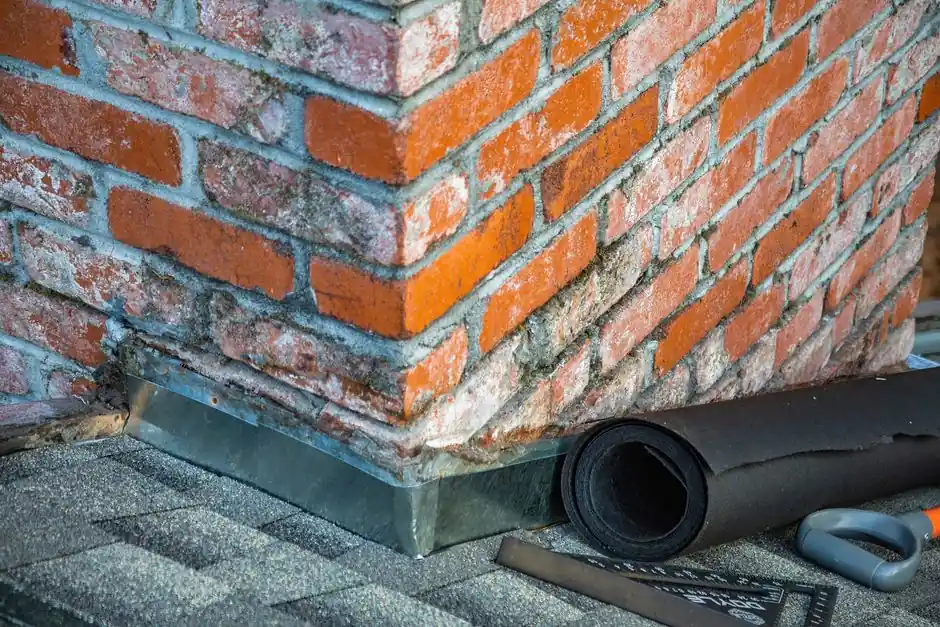 chimney repair near meFlashing is one part of the chimney envelope. If you searched for chimney repair near me, we inspect the whole chase: crown, brick, mortar, liner, and cap. One visit, one report, one priority list.Explore →
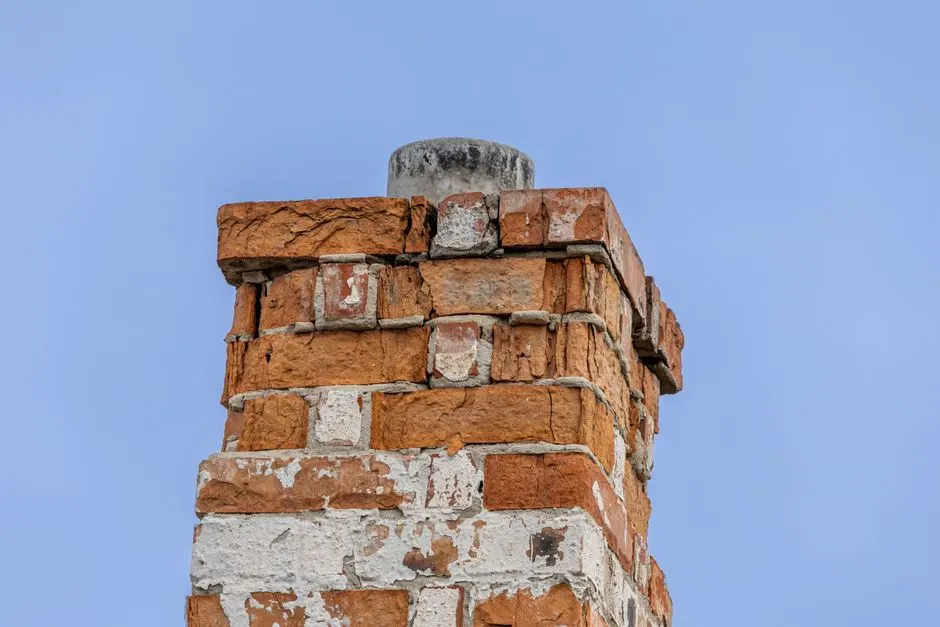 chimney masonry repairFlashing cannot seal to crumbling brick. When we find spalling or loose mortar at the flashing line, we rebuild those courses first with firebrick and refractory cement, then install the new flashing into solid masonry.Explore →
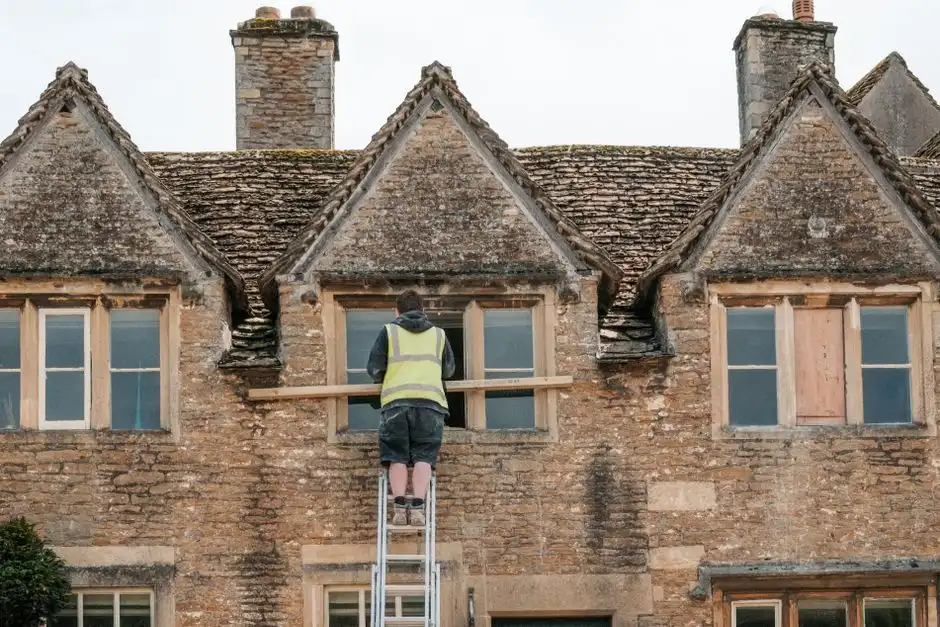 chimney crown repairA cracked crown dumps water onto the flashing below it. We repair or recast crowns with crown sealant and slope them away from the flue. Doing crown and flashing work together is cheaper than two separate visits.Explore →
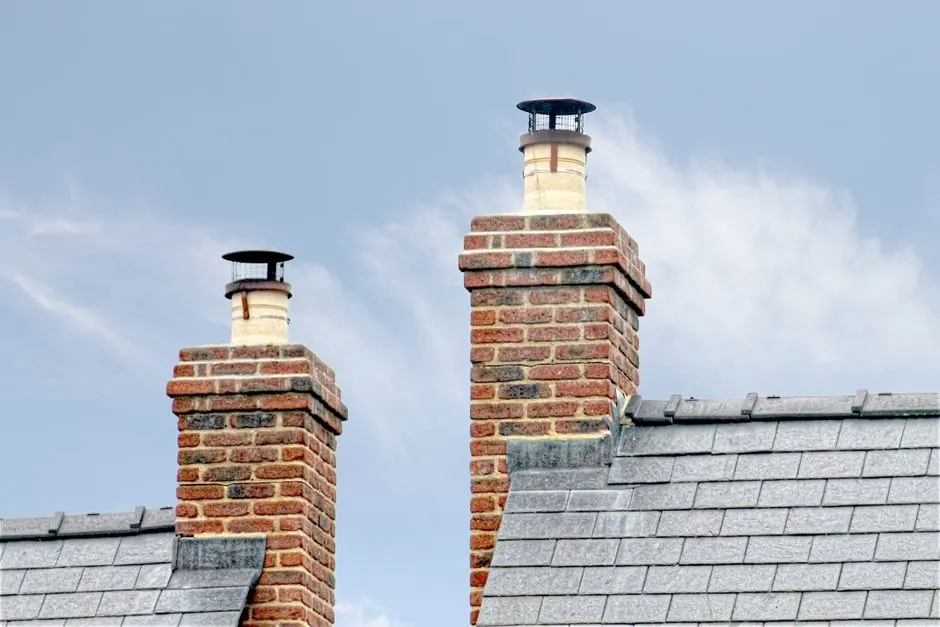 chimney reliningWater that gets past flashing can rust a stainless steel liner. If your liner shows corrosion, we scope it with an inspection camera and quote relining alongside the flashing repair so the chimney is watertight and code-compliant.Explore →
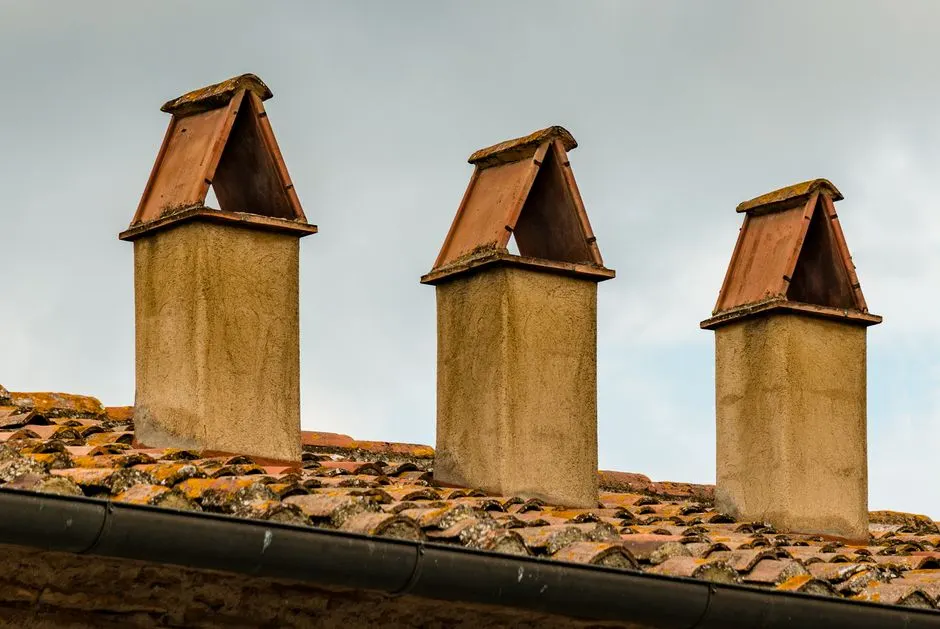 chimney cap repairA missing or damaged cap lets rain straight into the flue. We repair and replace caps, and we check the cap on every flashing call because it is the cheapest leak fix on the roof.Explore →
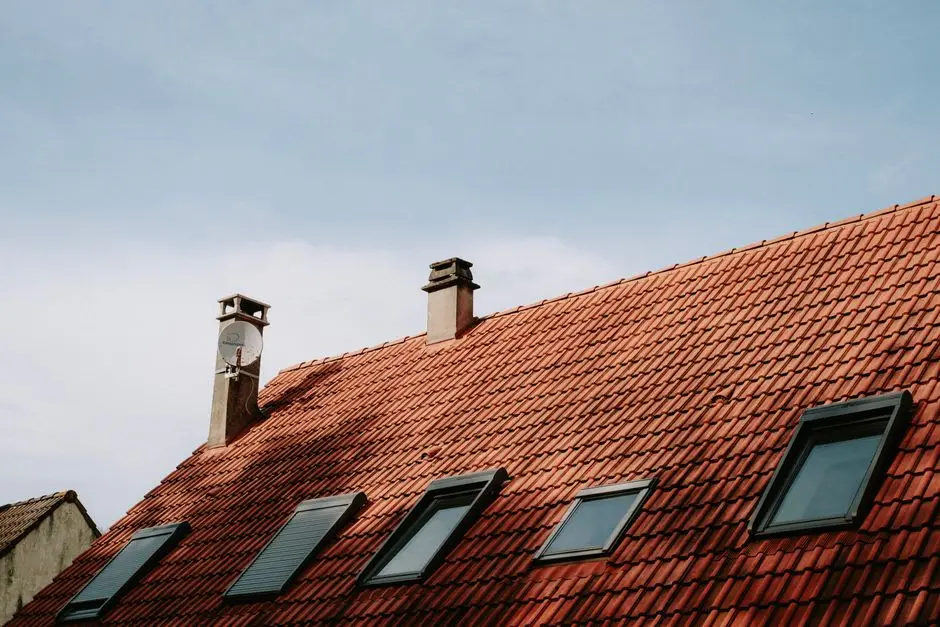 chimney maintenanceAnnual maintenance catches flashing sealant failure before it becomes a ceiling stain. We inspect, clean, and reseal on a yearly schedule, which is the cheapest way to keep a Pleasant Grove chimney dry.Explore →
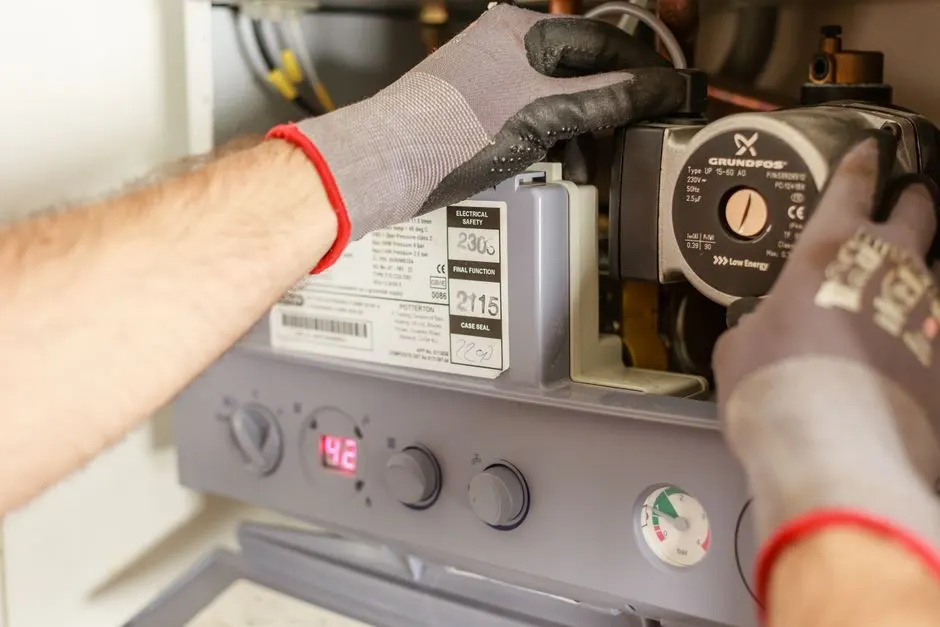 fireplace repairWater damage at the flashing often shows up first at the firebox: rusted damper, stained firebrick, musty smell. We repair dampers and fireboxes and trace the moisture back to its source.Explore →
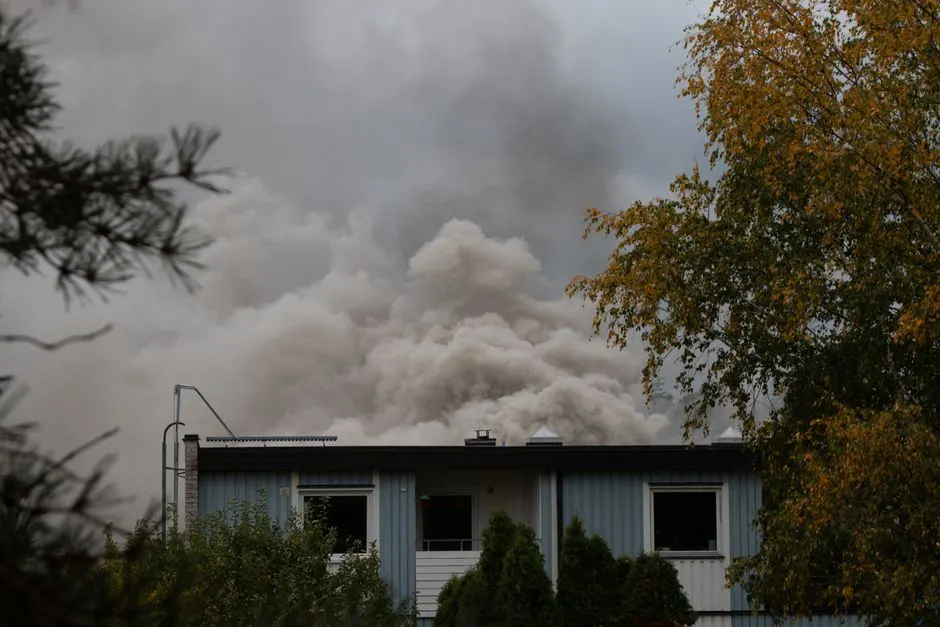 emergency chimney repairActive leak during a storm? We tarp, seal, and stabilize the chimney the same day, then return for the permanent flashing repair when the weather clears.Explore →
We answer the phone, we show up in the window we promised, and we quote the price before we climb the ladder. Call Blackstone Ridge at (855) 927-7517 for chimney flashing repair Pleasant Grove UT and get a dry chimney this season.
Book a repair (855) 927-7517 →Call (855) 927-7517 any time, day or night, and a real person answers. For non-emergency work, we return messages within a few hours during business hours and can usually schedule an estimate the same week. Tell us what you are seeing and we will tell you what it likely means.